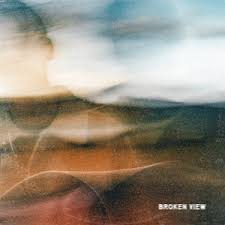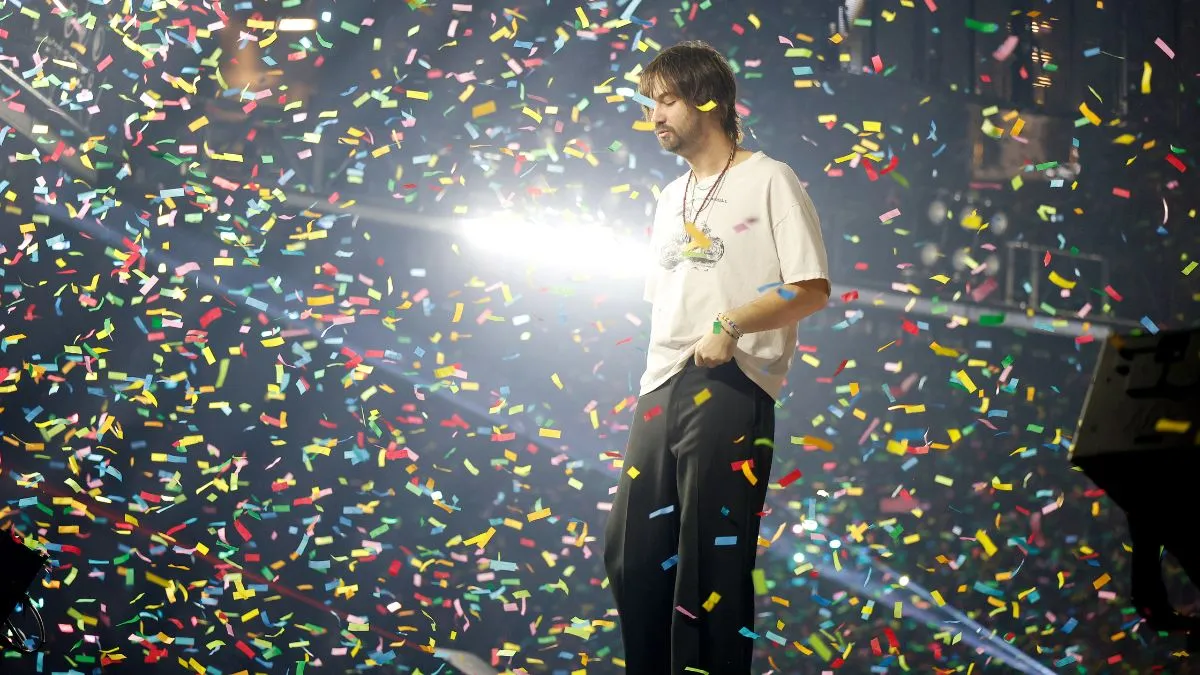
Rising from small-town roots to viral fame, Sam Barber has quickly become one of the most emotionally raw voices in modern folk-country. Born and raised on a farm in Missouri, Barber didn’t even begin making music seriously until his late teens. Still, his stripped-down style and vulnerable lyrics, often centered on regret, growth, and complicated relationships, have resonated with a new generation of listeners. Sam Barber first entered the music world by posting song covers online and writing his own music as a teenager, with his breakout song “Straight and Narrow” gaining traction and going viral on platforms like TikTok. Today, he’s a rapidly rising artist in country and folk music, with charting songs, a major record deal, and albums like Broken View establishing him as one of the genre’s most promising young voices.
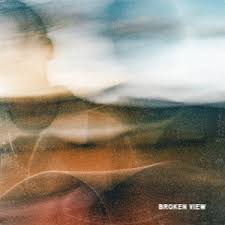
His 2026 album, Broken View, with 13 tracks that were released on the third of April, continues that trajectory, offering a deeply reflective look at identity and change, with songs like “Run,” “Just a Kid”, and “Satellite” capturing the confusion of growing up and the weight of past mistakes. In this column, I’ll explore how Broken View doesn’t just tell Barber’s story, but it mirrors the messy, uncertain perspective of anyone still trying to figure out who they are.
So the first song that I am going to talk about is my favorite off this album, “Run.” This track stands out as one of the most emotionally charged tracks on Broken View, capturing Sam Barber’s signature theme of wanting to escape while being held back by your own thoughts and past decisions. The song leans into a stripped-down, acoustic sound that lets his voice carry the weight of the message, creating a raw and almost confessional tone. Lyrically, “Run” reflects the internal conflict of knowing you can’t outrun your problems, even when every instinct tells you to try. It connects especially well with listeners who feel stuck between who they were and who they want to become, making it both deeply personal and widely relatable.
My second favorite song (which is the third track on this project) is “Just A Kid.” This song taps into a quieter, more reflective side of Sam Barber, focusing on the feeling of looking back at your younger self with a mix of regret and understanding. The song highlights how easy it is to make mistakes when you don’t fully grasp the consequences yet, and Barber explores further into that idea with honest, almost nostalgic lyrics. From a musical standpoint, it keeps things simple and intimate, allowing the storytelling to take center stage. What makes “Just a Kid” hit so hard is that it doesn’t excuse past actions, but it recognizes that growing up means learning from them, making it especially relatable for anyone trying to come to terms with who they used to be.
The next song that is in my top three is “Satellite,” track seven. This song closes in on one of the more introspective moments of Broken View, with Sam Barber using the idea of distance as a metaphor for emotional disconnect. The song paints a picture of feeling close to someone but still out of reach, like you’re orbiting their life without ever truly being part of it. Its mellow, atmospheric sound gives it a slightly more expansive feel than some of the other tracks, but it still holds onto that raw, stripped-back style Barber is known for. What makes “Satellite” stand out is how it captures loneliness in a subtle way, and not through dramatic heartbreak, but through quiet realization, making it especially relatable for anyone who’s ever felt present but not truly seen.
Broken View proves that Sam Barber isn’t just another rising artist, and that he’s someone with a clear voice and something real to say. The album captures the uncertainty, regret, and growth that come with figuring life out, and each track adds a different layer to that journey. From the urgency of “Run,” to the reflection in “Just a Kid,” to the quiet distance in “Satellite,” Barber creates a project that feels honest and deeply relatable. Broken View doesn’t try to be perfect, but instead, it embraces the flaws and confusion that come with growing up, which is exactly what makes it resonate.