Some days the hallway felt like a stage, but only for others. I slipped into school with a practiced, radiant smile. I wasn’t performing joy so much as hiding pain, because when I looked for others for understanding, I found none. The brighter I pretended to be, the less I felt seen.
When my smile cracked, rare, but real, when someone asked, “Are you okay?” I would nod, and quickly settle my face into that familiar curve of cheer, and keep walking. My emotions didn’t matter. No one asked again; no one listened. I carried the weight of that silence with me for the rest of the day, and every day that followed. I grew to hate the phrase “Are you okay?” because I understood its emptiness the moment it crossed my mind from someone else’s lips. When I allowed myself to speak truthfully, to admit that things weren’t fine, it didn’t register.
At lunch, I sat across conversations that, to me, sounded like they were happening miles away. My heart ached for someone, not just to ask “What’s wrong?” but to truly mean it. My feelings lived in muted echoes, and I became the person who couldn’t frown, because showing the cracks might mean disappearing entirely.
Their eyes slid past me, and the words evaporated because they “knew” me. And in that knowing, they assumed there was nothing worth noticing, nothing worth caring about. I was myself, and that ironically meant there was nothing even worth being upset over.
I longed for someone to say: “Tell me how you’re really doing.” But that never came. My feelings lived in muted echoes, and I became the person who couldn’t frown, because showing the cracks might mean disappearing entirely.
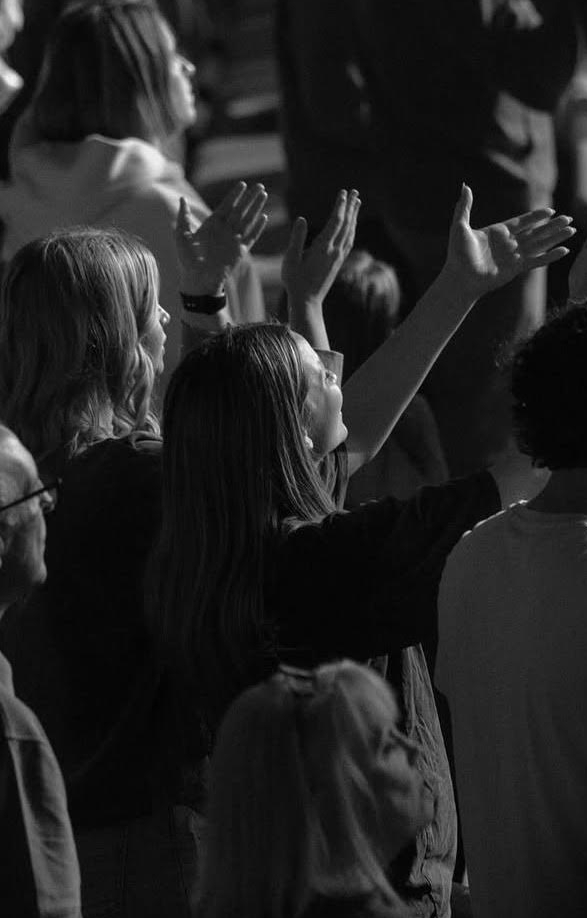
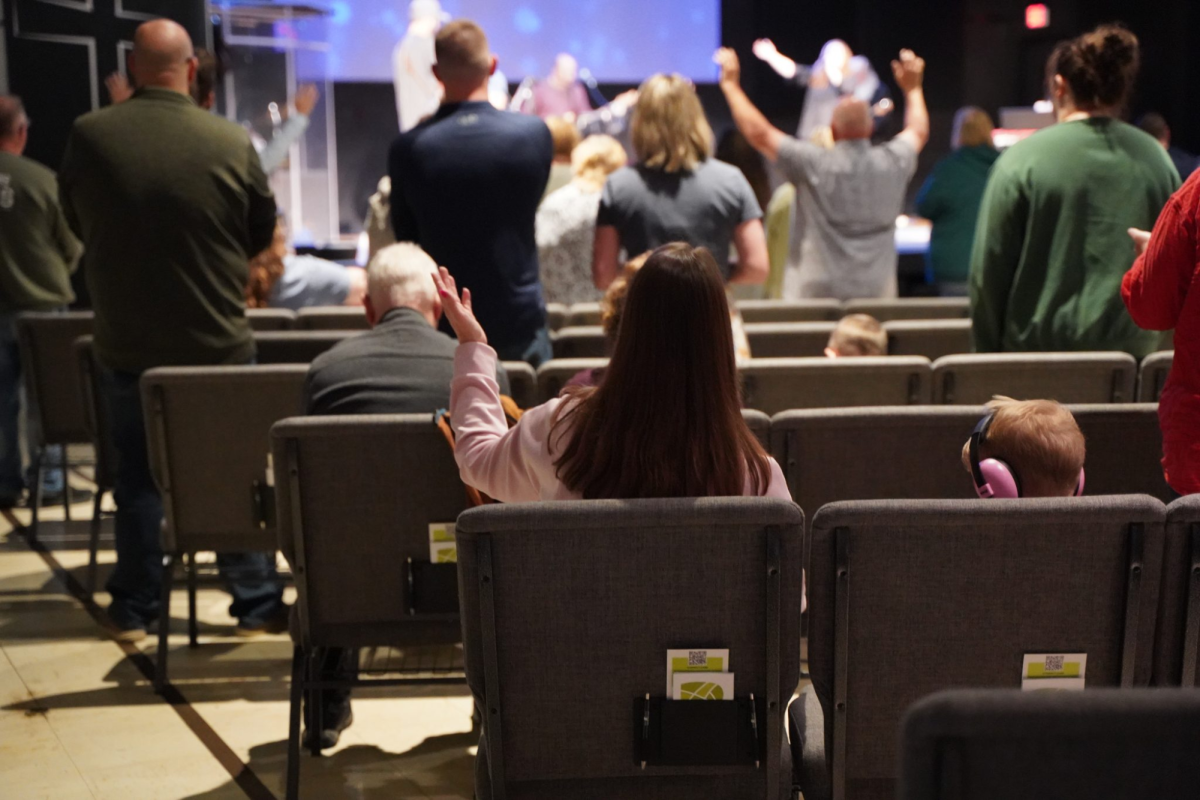
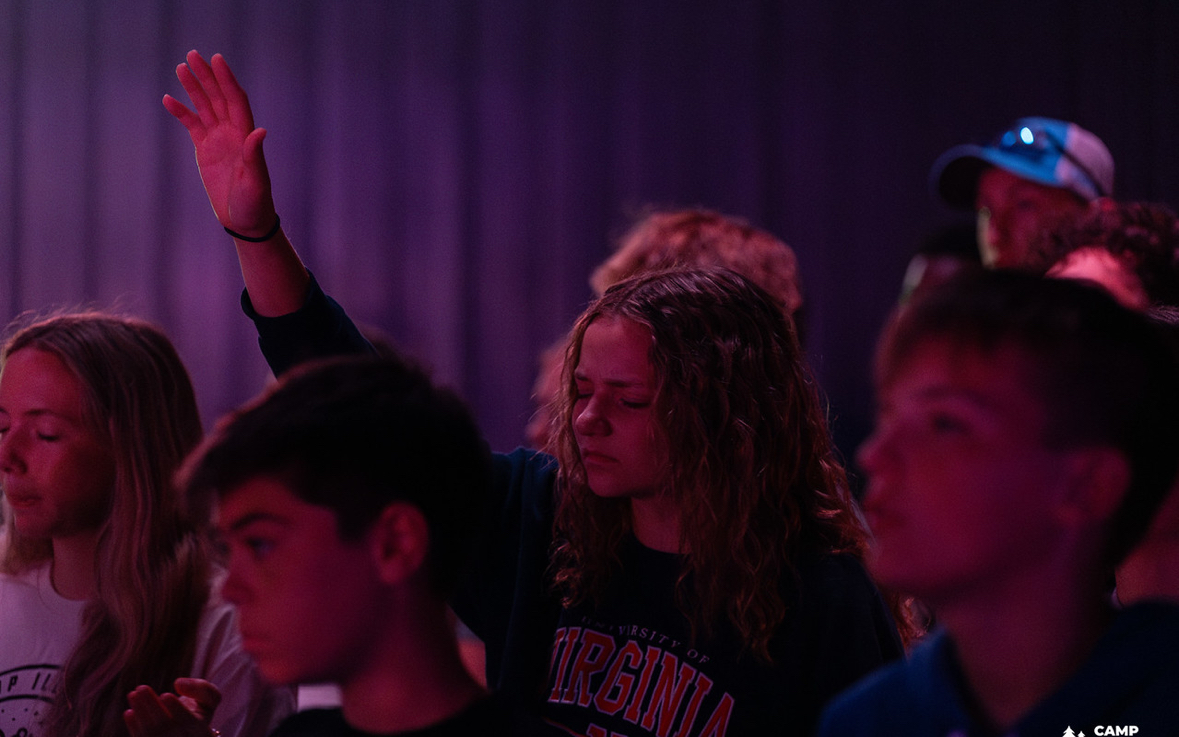
My faith became the quiet anchor I didn’t know I needed. When people’s words failed, I turned to prayer, not always with answers, but with a sense that I was finally heard. I began to understand that faith isn’t just about believing when things are good; it’s about trusting that you are still seen when no one else looks your way. In moments of isolation, I found a peace that didn’t depend on others’ understanding. Applying faith meant letting go of the need to be understood by everyone and learning to be known by something greater. It was there, in that unseen connection, that I finally began to feel whole.
Now I still walk these halls with a smile, but it’s no longer a mask. It’s the reflection of someone who has learned that being seen starts with seeing yourself. I’ve come to understand that authentic connection begins with vulnerability, and that real courage lies in letting people in, even when they might not listen at first.